Best Mattress for Heavy Side Sleepers With Back Pain in 2026
By MattressDealsOnline Editorial · Updated September 2026 · 5 mattresses ranked
A mattress changes this sleeper's spinal line by controlling how far the hip travels after the shoulder has entered the comfort layer. That single fact decides most of this ranking, and it is why the five
mattresses below do not come out in the order you would get for a lighter side sleeper without back pain.
How we ranked: every mattress is scored 0 to 100 on the same ten attributes. For
heavy side sleepers with back pain, support and pressure relief carry the most weight, with durability, responsiveness behind them,
and each bed is scored on how close it lands to the firmness target, not on being firmest.
Target firmness for heavy side sleepers with back pain
1 · Plush5-6 · Medium10 · Extra firm
Disclosure: we earn a commission on purchases made through links on this page.
It does not affect the ranking, which is computed from the attribute weighting shown in
full further down.
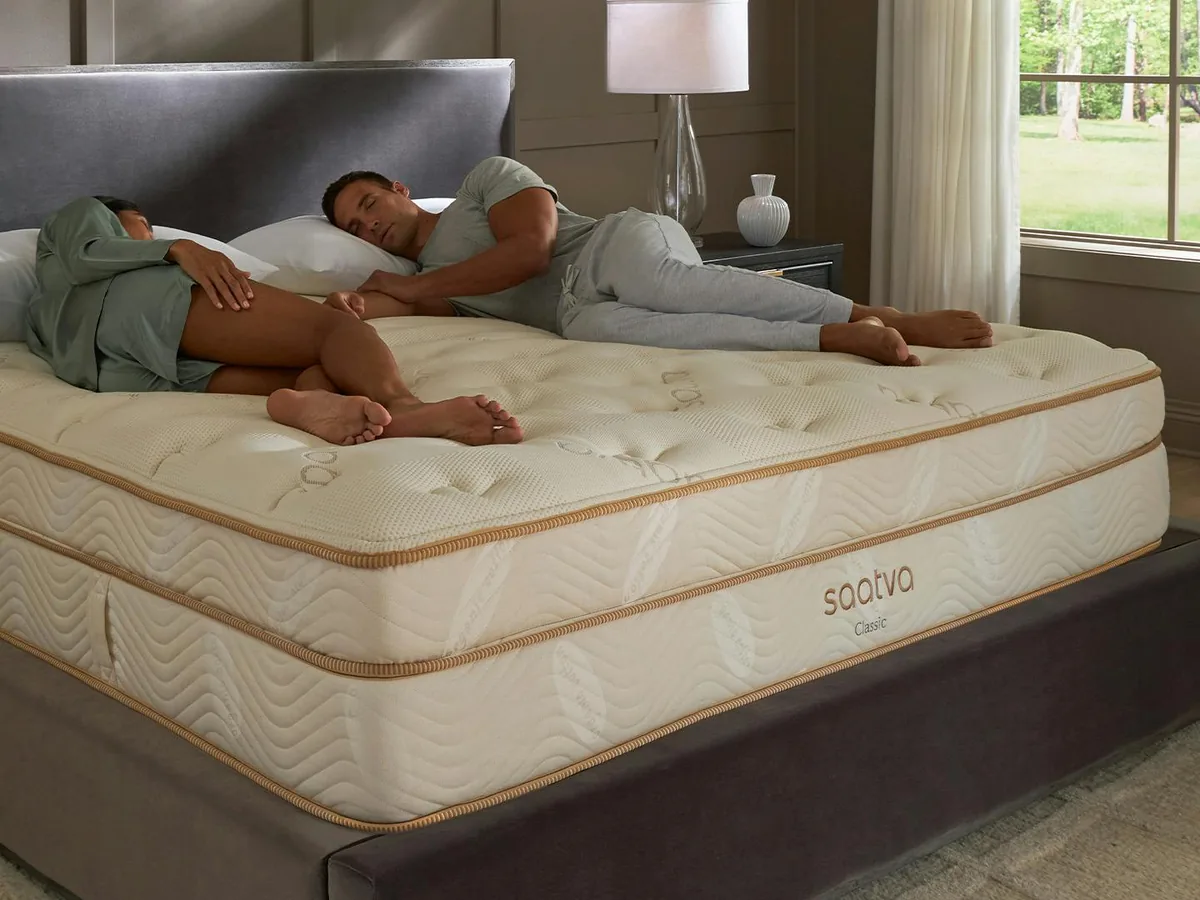
#1 · Best Mattress Overall for Heavy Side Sleepers With Back Pain
Saatva Classic
85.5/100
Scored against the weighting this page uses, the Saatva Classic comes out at 85.5.
It takes the top spot on support (90/100) and durability (88/100),
which are exactly the attributes that carry the most weight for heavy side sleepers with back pain.
At 6 out of 10 it also lands within
0.1 of a point of the 6.1 target.
1 · Plush5-6 · Medium10 · Extra firm
Ring marks the 6.1 target for heavy side sleepers with back pain
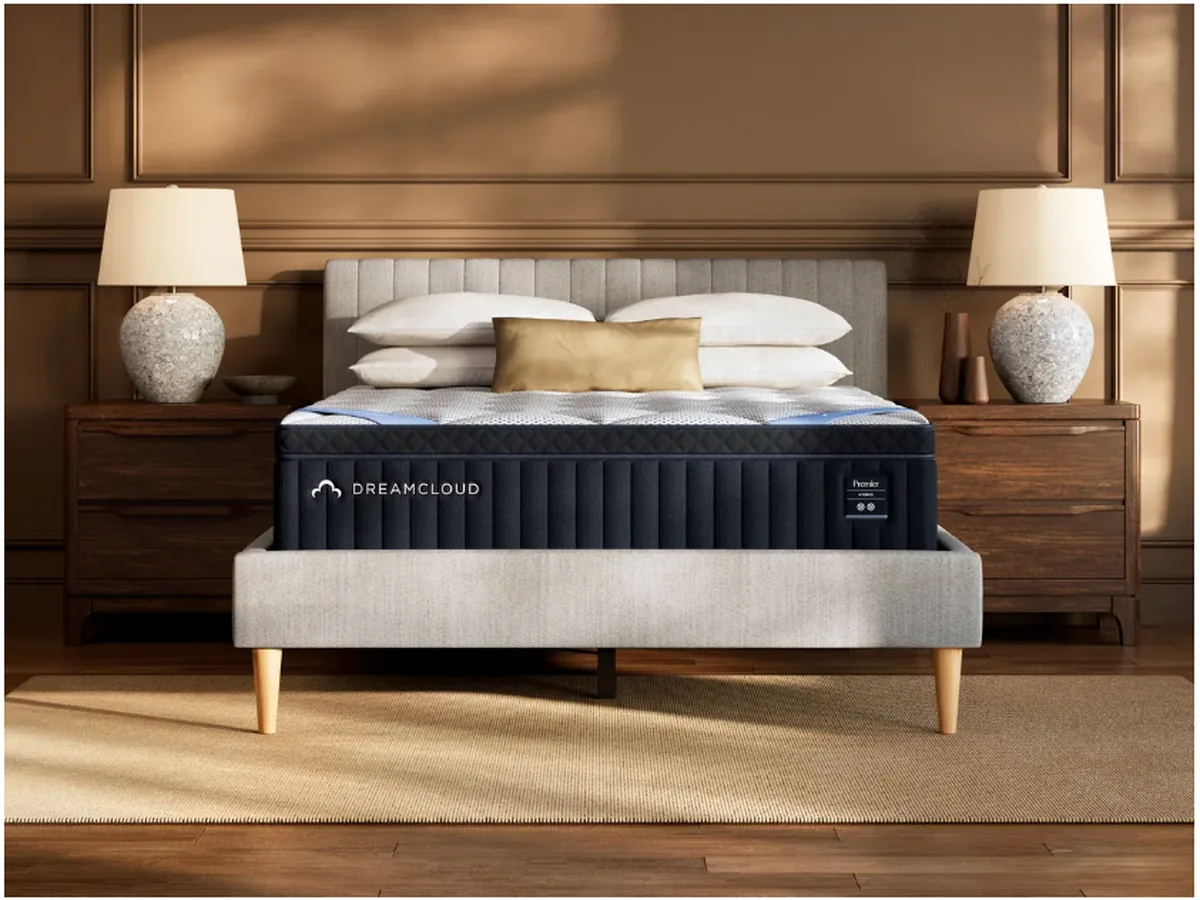
#2 · Best Support for Heavy Side Sleepers With Back Pain
DreamCloud Premier Hybrid
81.7/100
Its strongest showing here is support at 82/100.
It has no real weakness against this weighting. It gives up ground across several
attributes instead of failing on one.
1 · Plush5-6 · Medium10 · Extra firm
Ring marks the 6.1 target for heavy side sleepers with back pain
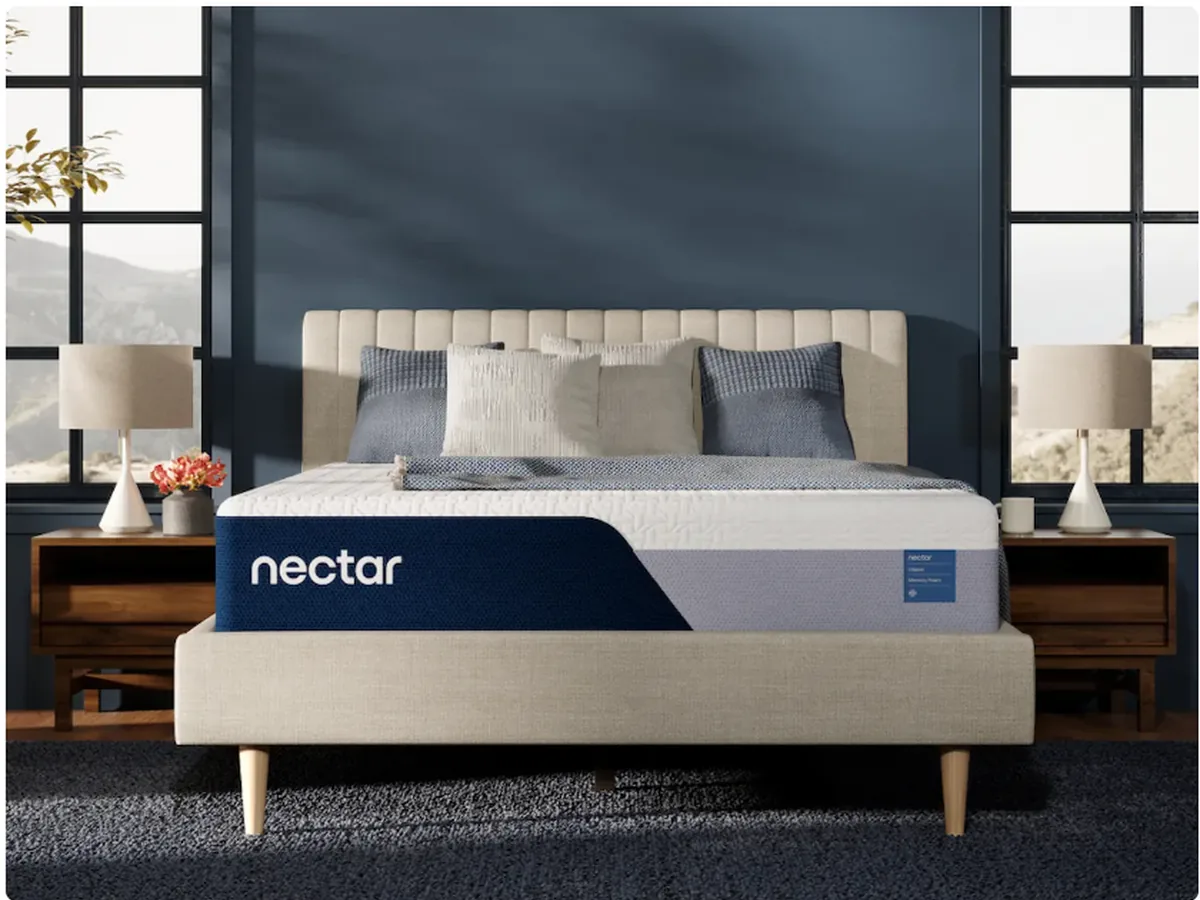
#3 · Best Motion Isolation for Heavy Side Sleepers With Back Pain
Nectar Classic Memory Foam
73.6/100
Its strongest showing here is pressure relief at 88/100.
What holds it below the Saatva Classic is responsiveness, where it scores
35/100 against a weighting that cares about it.
1 · Plush5-6 · Medium10 · Extra firm
Ring marks the 6.1 target for heavy side sleepers with back pain
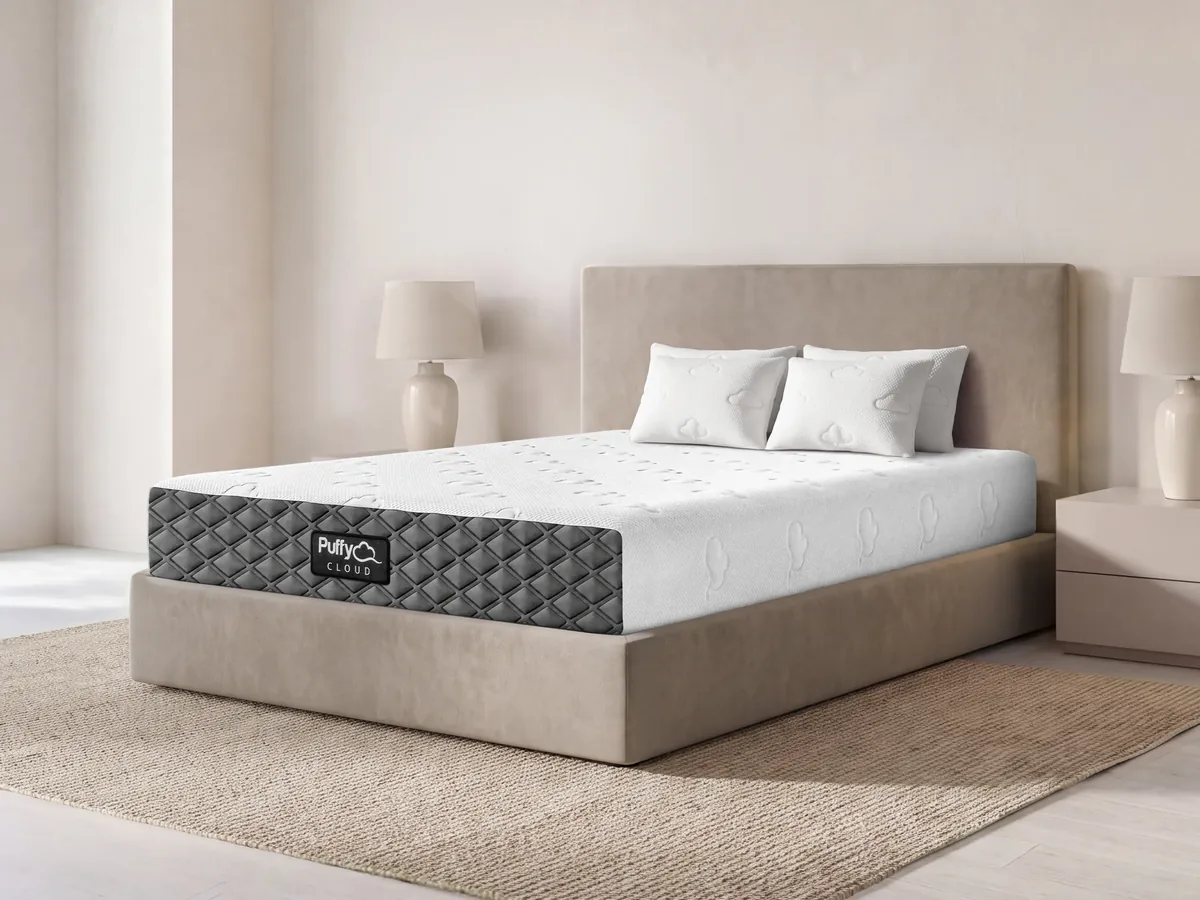
#4 · Best Pressure Relief for Heavy Side Sleepers With Back Pain
Puffy Cloud
72.1/100
Its strongest showing here is pressure relief at 90/100.
What holds it below the Saatva Classic is responsiveness, where it scores
40/100 against a weighting that cares about it.
1 · Plush5-6 · Medium10 · Extra firm
Ring marks the 6.1 target for heavy side sleepers with back pain
Support
65
Pressure relief
90
Durability
70
Responsiveness
40
Type: Foam
Queen price: $1,049
Trial: 365 nights
Warranty: Lifetime
Strong: pressure reliefStrong: motion isolationStrong: 365-night trialWeak: coolingWeak: edge support
#5 · Best Budget Mattress for Heavy Side Sleepers With Back Pain
SweetNight CoolNest
66.7/100
Its strongest showing here is pressure relief at 82/100.
What holds it below the Saatva Classic is responsiveness, where it scores
38/100 against a weighting that cares about it.
1 · Plush5-6 · Medium10 · Extra firm
Ring marks the 6.1 target for heavy side sleepers with back pain
Support
62
Pressure relief
82
Durability
58
Responsiveness
38
Type: Memory foam
Queen price: $499
Trial: 100 nights
Warranty: 10 year
Strong: valueStrong: coolingStrong: motion isolationStrong: under $800Weak: edge supportWeak: responsiveness
Best Budget Mattress for Heavy Side Sleepers With Back Pain
Memory foam
66.7
5/10
$499
How we ranked these for heavy side sleepers with back pain
Every mattress here is scored 0 to 100 on the same ten attributes. What changes between
one page on this site and the next is how much each attribute counts. For heavy side sleepers with back pain,
the weighting is:
SupportSpinal alignment under load
×5
Pressure reliefContouring at hip and shoulder
×5
DurabilityExpected structural life
×4
ResponsivenessBounce and ease of repositioning
×3
Firmness0 = plush, 100 = very firm
×3
Firmness is target-scored. It is not more-is-better. For heavy side sleepers with back pain the target is
6.1 out of 10 and each mattress is scored on how close it lands to that,
which is why a very firm model does not automatically win.
Why weight magnifies side-sleeping pelvic drop
This sleeper needs deep shoulder entry and strong pelvic control at the same time. More body weight compresses the comfort stack farther, while side sleeping concentrates that load at the shoulder and hip.
Back pain adds a narrow tolerance for the hip overshooting the shoulder. The build must cushion two contact points, support the waist between them, and keep those relationships after repeated nightly compression.
How the hip outruns the shoulder overnight
A plush bed often removes shoulder pressure first, then lets the heavier hip keep descending. The spine bows toward the mattress through the lumbar region and the morning ache appears even though the surface feels comfortable. A uniformly firm bed stops the hip but also stops the shoulder, tilting the upper spine and causing more turns.
The useful design creates different resistance by depth and region, with cushion above and a durable stop below.
What must cushion deeply and stop firmly
Depth above, resistance below
A thin comfort layer makes the shoulder meet the transition layer too soon, while a uniformly soft stack lets the hip pass the useful depth. Three to four inches of conforming material gives the shoulder room. Beneath it, a firmer transition layer should slow the heavier hip before the core.
Memory foam near 4 lb/ft³ can provide the cradle, while latex recovers faster for frequent turns. The specification must describe the layers separately. One overall firmness number cannot show whether the shoulder receives depth and the pelvis receives a stop.
Place stronger zoning beneath the hip, not the ribs
Center reinforcement is valuable only when its position matches the sleeper. Thicker 13.5 to 14 gauge coils beneath the pelvis can resist the extra load, with more flexible coils under the shoulder. A wide hard band that reaches the ribs creates a new pressure shelf and holds the waist too high.
Lie on the mattress in the usual spot and locate the change in resistance. The goal is a level line from neck through pelvis, not the greatest pushback the manufacturer can build.
Durability and the base underneath
A heavier side sleeper loads the same two spots on the same side of the bed every night, and that is how a body impression forms. Higher density foams, latex and heavier gauge coils all resist it. Check the warranty threshold: one that only covers sagging deeper than 1.5 inches is telling you what to expect.
Underneath, a solid platform or slats no more than 3 inches apart matter more at this weight than any other, and most warranties are void without them.
Pressure relief without giving up that support
These two pull against each other and are the reason this page weights them equally. A comfort layer thick enough to relieve the shoulder and hip can be thick enough to let the whole body sink; a core firm enough to prevent the sink can be firm enough to create pressure.
Hybrids are recommended most often because separating the two jobs into two layers is the most reliable way to do both.
Support core: coil gauge, height and count
The support layer decides whether the hip stops sinking at the right depth. Look for pocketed coils of 13 to 14 gauge, at least 8 inches tall, in a queen count of 800 or more. Thin 15 or 16 gauge coils let the pelvis through.
Heavier gauge holds the hip up and gives the comfort layer a firm floor to work against. All-foam cores work only if the base foam is at least 2 lb/ft³ and the bed is 12 inches or taller.
How position changes the load path
Side sleeping
Stay on the side long enough for the foams to warm, then check that the waist still meets the bed while the shoulder has room. A firm knee pillow limits pelvic rotation.
Back sleeping
Time on your back at this weight asks for firmer central support than the side needs. Zoned coils give both: firmer under the hips for back time, softer under the shoulders for side time. A uniform build has to compromise.
Stomach sleeping
Stomach sleeping extends the lower back and is the position most consistently associated with morning back pain. If you cannot change it, a firmer surface limits how far the abdomen drops, and a thin pillow or none reduces neck rotation.
Errors that trade pressure for spinal sag
Solving hip sink by hardening the whole surface
More surface firmness stops the shoulder along with the hip. Keep the deep support firm and preserve enough upper-layer travel for the shoulder, or the spine tilts from the other end.
Buying the plush model because you sleep on your side
Plush comfort layers are built for lighter bodies to sink into. At 230 lb you sink through them and land on whatever is underneath, and the trunk follows the hip down. Go a step firmer than the usual side-sleeper advice and get softness from a deeper comfort layer.
Judging it in the first fortnight
The adaptation period is really unreliable, and back pain fluctuates on its own besides. Most trials require thirty nights before a return, which is a reasonable minimum to apply to your own judgement too.
Ready to check the latest price on the Saatva Classic?
What firmness suits a heavy side sleeper with back pain?
Start in the low 60s, then judge layer depth. The surface still needs enough give for the shoulder, while the transition and core must stop the hip. A single hard slab is not the answer, and body weight makes the construction more important than the label.
How do I tell whether my hip sinks too far?
Have someone view the spine from behind after you have settled. If the waist bows downward toward the bed or there is no contact beneath it, the hip has travelled too far. A morning belt-line ache supports the same mechanical reading.
Can a topper fix shoulder pressure without worsening the back?
Only when the existing mattress stays level and has a strong core. A substantial topper can give the shoulder more room. On a bed that already dips under the hip, added foam follows the hollow and increases the distance the pelvis can travel.
How thick should the comfort layer be?
Three to four inches for a side sleeper over 230 lb. Two inches is enough for lighter bodies. The material matters as much as the depth: latex or high-density foam holds its shape under a heavier hip, and low-density foam does not. Ask for the figure.
Is memory foam or a hybrid better for back pain?
Hybrids are recommended more often, because separating pressure relief and support into two layers is the most reliable way to get both. Memory foam can work, particularly for lighter sleepers, but it tends to compress as a block, which is the behaviour you are trying to avoid through the midsection.
How long should a mattress last for a heavier side sleeper?
A well-built hybrid with dense foams and 13 to 14 gauge coils should go seven to eight years. A budget bed with light foams and thin coils can show a body impression inside two. The warranty sag threshold is a good clue to the maker's confidence.