Best Mattress for Arthritis and Fibromyalgia in 2026
By MattressDealsOnline Editorial · Updated September 2026 · 5 mattresses ranked
A mattress changes this combination by lowering peak load at arthritic joints without adding the heat, partner disturbance, or turning effort that can amplify widespread tenderness. That single fact decides most of this ranking, and it is why the five
mattresses below do not come out in the order you would get for arthritis or fibromyalgia alone.
How we ranked: every mattress is scored 0 to 100 on the same ten attributes. For
arthritis and fibromyalgia, pressure relief and motion isolation carry the most weight, with responsiveness, cooling behind them,
and each bed is scored on how close it lands to the firmness target, not on being firmest.
Target firmness for arthritis and fibromyalgia
1 · Plush5-6 · Medium10 · Extra firm
Disclosure: we earn a commission on purchases made through links on this page.
It does not affect the ranking, which is computed from the attribute weighting shown in
full further down.
#1 · Best Mattress Overall for Arthritis and Fibromyalgia
SweetNight CoolNest
79.1/100
Scored against the weighting this page uses, the SweetNight CoolNest comes out at 79.1.
It takes the top spot on pressure relief (82/100) and motion isolation (85/100),
which are exactly the attributes that carry the most weight for arthritis and fibromyalgia.
At 5 out of 10 it also lands within
0.0 of a point of the 5 target.
1 · Plush5-6 · Medium10 · Extra firm
Ring marks the 5 target for arthritis and fibromyalgia
Pressure relief
82
Motion isolation
85
Responsiveness
38
Cooling
90
Type: Memory foam
Queen price: $499
Trial: 100 nights
Warranty: 10 year
Strong: valueStrong: coolingStrong: motion isolationStrong: under $800Weak: edge supportWeak: responsiveness
#2 · Best Pressure Relief for Arthritis and Fibromyalgia
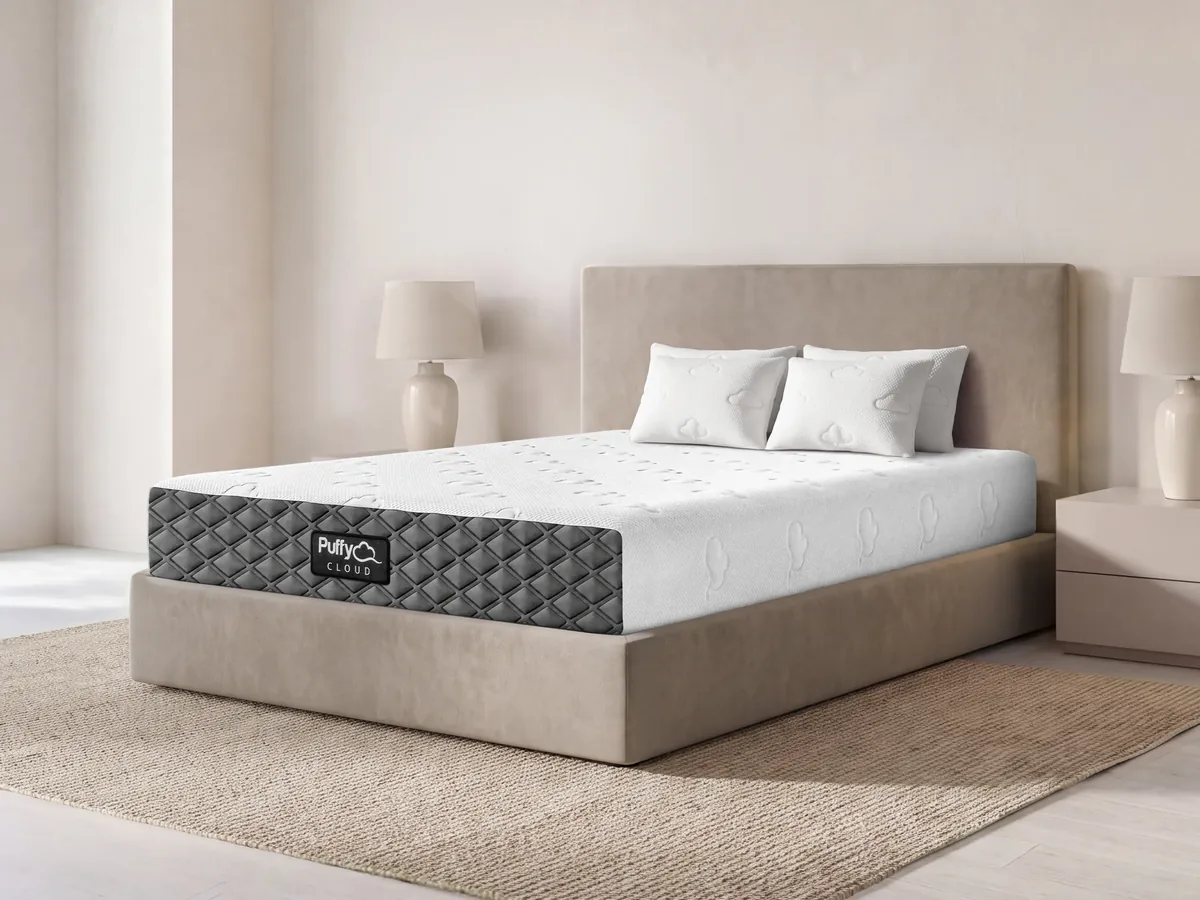
Puffy Cloud
77.8/100
Its strongest showing here is pressure relief at 90/100.
What holds it below the SweetNight CoolNest is cooling, where it scores
50/100 against a weighting that cares about it.
1 · Plush5-6 · Medium10 · Extra firm
Ring marks the 5 target for arthritis and fibromyalgia
Pressure relief
90
Motion isolation
88
Responsiveness
40
Cooling
50
Type: Foam
Queen price: $1,049
Trial: 365 nights
Warranty: Lifetime
Strong: pressure reliefStrong: motion isolationStrong: 365-night trialWeak: coolingWeak: edge support
#3 · Best Budget Mattress for Arthritis and Fibromyalgia
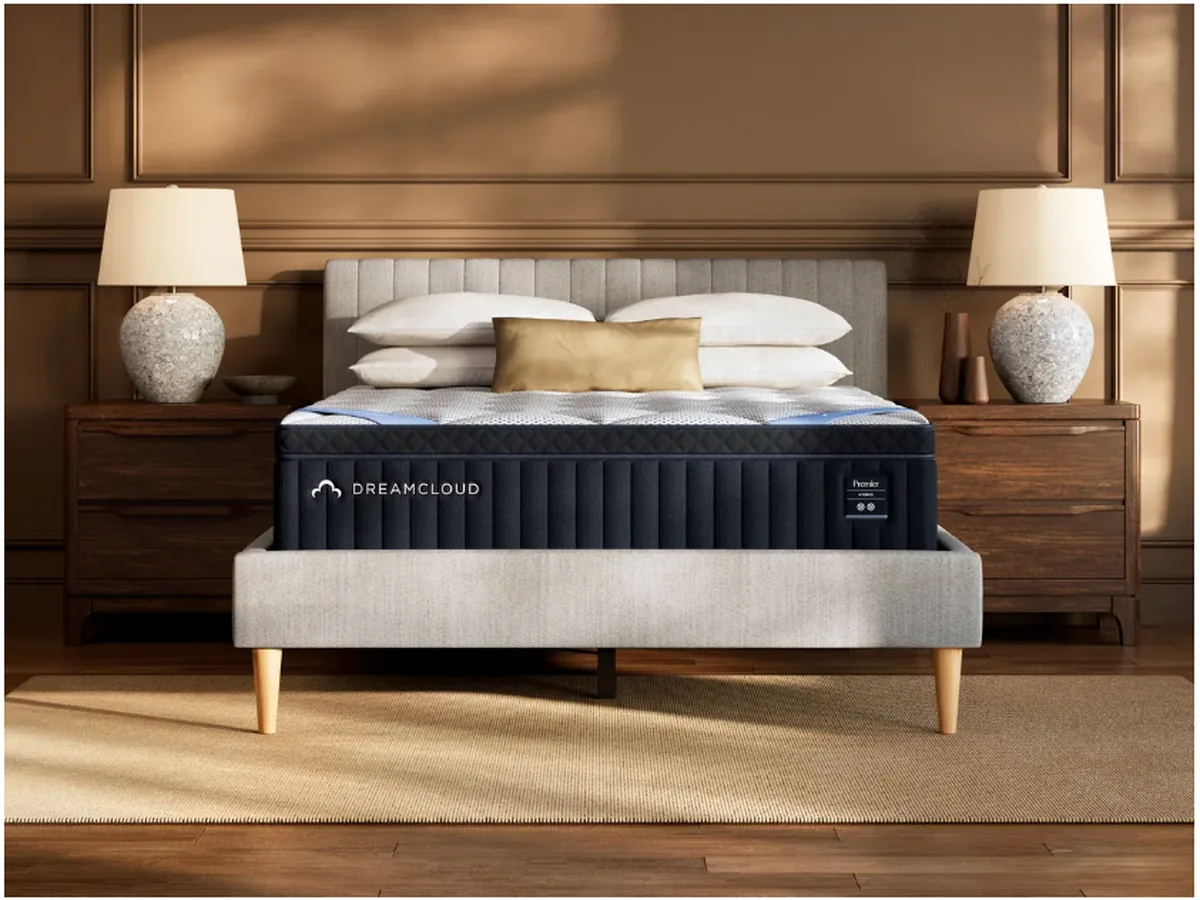
DreamCloud Premier Hybrid
76.4/100
Its strongest showing here is pressure relief at 78/100.
It has no real weakness against this weighting. It gives up ground across several
attributes instead of failing on one.
1 · Plush5-6 · Medium10 · Extra firm
Ring marks the 5 target for arthritis and fibromyalgia
#4 · Best Motion Isolation for Arthritis and Fibromyalgia
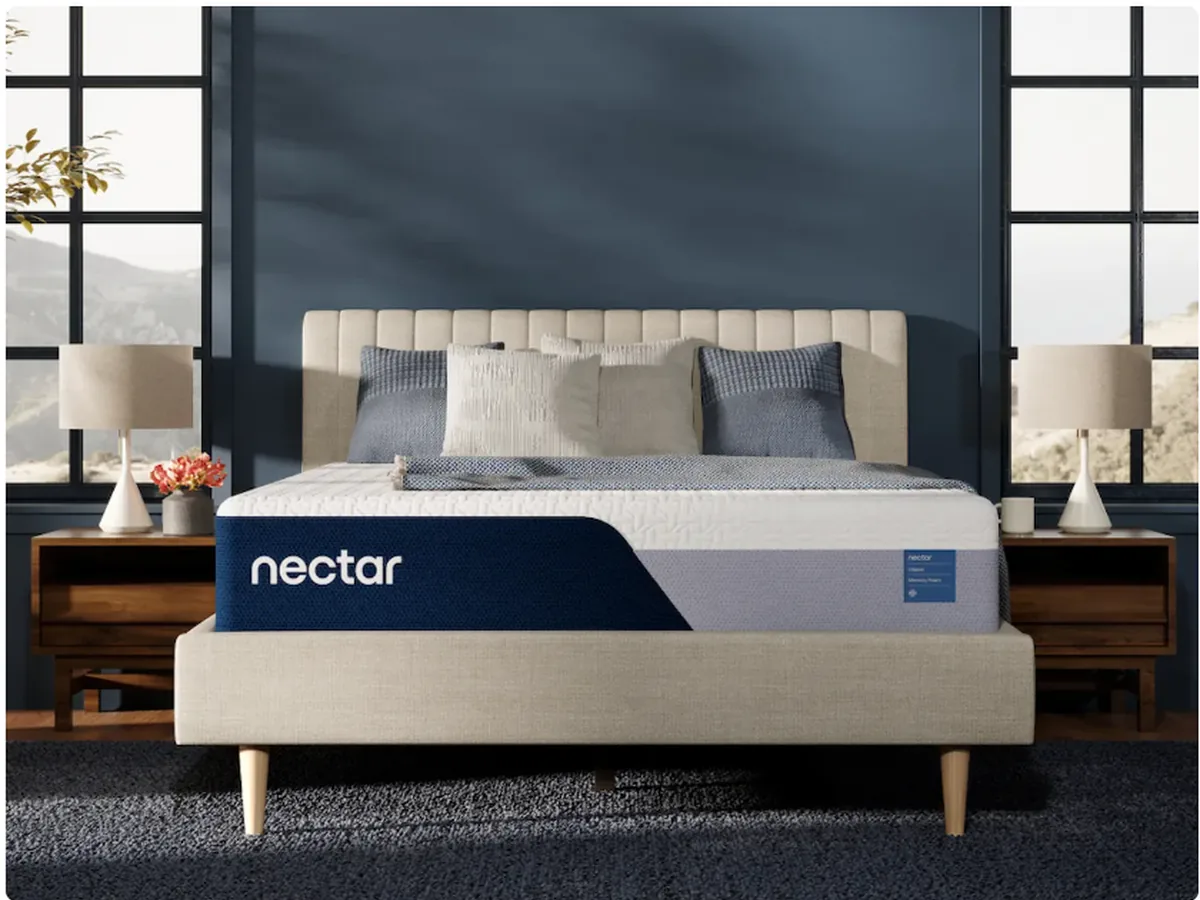
Nectar Classic Memory Foam
74.6/100
Its strongest showing here is pressure relief at 88/100.
What holds it below the SweetNight CoolNest is responsiveness, where it scores
35/100 against a weighting that cares about it.
1 · Plush5-6 · Medium10 · Extra firm
Ring marks the 5 target for arthritis and fibromyalgia
#5 · Best Edge Support for Arthritis and Fibromyalgia
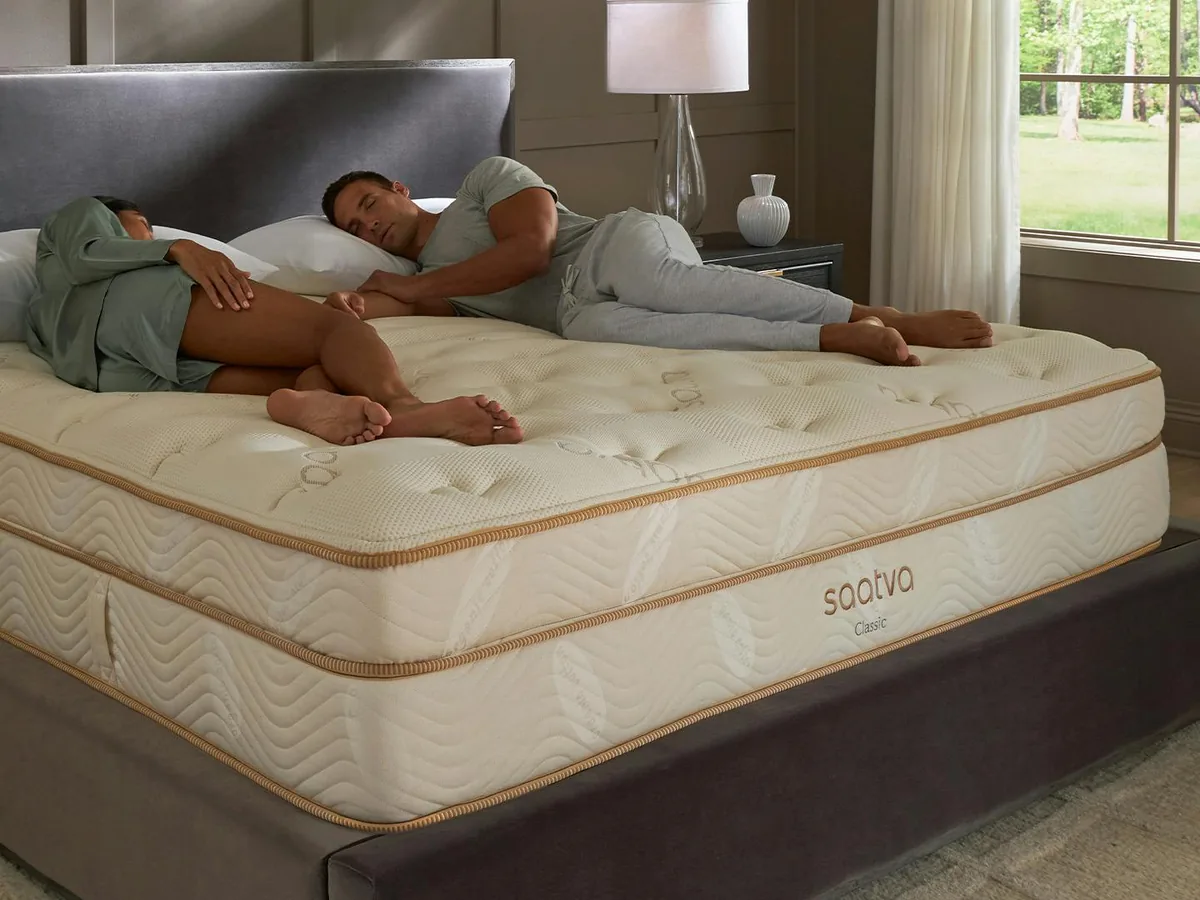
Saatva Classic
72.7/100
Its strongest showing here is pressure relief at 68/100.
It has no real weakness against this weighting. It gives up ground across several
attributes instead of failing on one.
1 · Plush5-6 · Medium10 · Extra firm
Ring marks the 5 target for arthritis and fibromyalgia
How we ranked these for arthritis and fibromyalgia
Every mattress here is scored 0 to 100 on the same ten attributes. What changes between
one page on this site and the next is how much each attribute counts. For arthritis and fibromyalgia,
the weighting is:
Pressure reliefContouring at hip and shoulder
×5
Motion isolationPartner movement absorption
×4
ResponsivenessBounce and ease of repositioning
×3
Firmness0 = plush, 100 = very firm
×3
CoolingHeat dissipation and surface temperature
×2
Firmness is target-scored. It is not more-is-better. For arthritis and fibromyalgia the target is
5 out of 10 and each mattress is scored on how close it lands to that,
which is why a very firm model does not automatically win.
Why local joint load and widespread tenderness conflict
Arthritis and fibromyalgia can make the same mattress feel wrong for different reasons. Arthritis focuses load at particular joints and can make getting upright difficult. Fibromyalgia can make light pressure across a much wider area feel intrusive and can make temperature or partner movement harder to ignore.
The mattress has to distribute weight broadly without swallowing the sleeper, because deep sink may reduce contact pressure yet increase the effort required for every turn and exit.
How pressure, motion, heat, and effort accumulate
A tender surface may wake the sleeper before a single joint becomes the clear problem. Once the body shifts, a stiff hip, knee, or shoulder can resist the movement, and partner motion may restart the cycle. Deep, warm foam can feel calm at first and confining later.
A balanced bed uses close contour to soften contact, quieter materials to limit disturbance, and enough recoil for small position changes. No one quality solves the combination, so the ranking is spread more widely than either parent page.
What to look for with arthritis and fibromyalgia
Pressure relief must stay easy to move on
Pressure relief leads because both conditions punish concentrated contact. The firmness target stays at the centre, since a very soft surface can trade joint pressure for a deep cradle that makes each turn expensive. Responsiveness enters the vector for that reason. Look for contour that follows the shoulder, ribs, pelvis, and knees without holding their old shape after a shift.
If the current bed is supportive and merely hard, a responsive topper is a useful trial. If it already sags, extra cushioning only deepens the route out.
Quiet and cool beat a dramatic hug
Motion isolation ranks unusually high because a partner's movement can disturb a sleeper whose body is already reading many contact points. Cooling stays present but lower, since heat can make a close foam cradle harder to tolerate. A quiet pocketed support unit under a faster comfort layer is a sound compromise.
Test with the usual partner, sheets, and protector because each changes the result. A lighter blanket or more breathable protector is the cheaper heat test, while separate bedding can reduce tugging before the mattress is blamed.
Why edge support matters more than you would expect
Morning stiffness makes getting out of bed the hardest thing you do all day, and it happens at the moment your joints are least willing. A firm perimeter gives you a stable platform to sit on and push up from.
On a mattress with a soft edge the surface gives way under you and the effort transfers to hips, knees and wrists that would rather not take it. This is why edge support carries unusual weight in this page's ranking.
Give it longer than you think
Symptoms fluctuate on their own schedule, which makes short evaluation periods actively misleading. A good fortnight can make a poor mattress look excellent and a flare can condemn a good one. The full trial period is the minimum useful test here, and trials in this category run from 100 nights to a year.
Pressure relief above everything else
This is not a balanced tradeoff on this page. When ordinary pressure registers as pain, the mattress's first job is to spread weight across the whole contact area rather than concentrating it at the two or three points that stick out.
Everything else here is secondary to that, and that is why the firmness target sits at the middle of the scale and the comfort layer matters more than the support core.
Why temperature earns second place
Overheating is one of the most common causes of waking without an obvious reason, and with fibromyalgia every avoidable wake-up compounds into the next day's symptoms. That gives cooling a weight here that it does not carry on most condition pages.
Where two mattresses relieve pressure comparably, the cooler one is the better choice on this page specifically.
How position changes the pressure pattern
Side sleeping
Side sleeping concentrates weight at the shoulder and hip, so the top must contour closely. The sleeper should still be able to make a small shift without peeling out of a deep body impression.
Back sleeping
Back sleeping spreads load over the largest area and is generally the most comfortable position with arthritis, particularly hip and knee arthritis. Support under the knees reduces the pull on the lower back.
Stomach sleeping
Stomach sleeping produces fewer classic pressure points but holds the neck rotated for hours, which with widespread sensitivity usually costs more than it saves.
Mistakes that trade pressure for confinement
Choosing the deepest cradle as the gentlest bed
Deep sink can lower pressure and still make every shift harder, warmer, and more noticeable. Judge the bed after rolling, sitting up, and lying still, not only during the first quiet minute.
Judging it during a flare
Symptoms fluctuate for reasons unrelated to the mattress. Assessing a new surface during a bad fortnight tells you about the fortnight. Thirty nights minimum, which is what most trials require anyway.
Expecting a mattress to change the condition
Better sleep really helps, and the surface you sleep on is a real lever on sleep quality. It is not a treatment for fibromyalgia, and managing the condition is a clinical matter.
Ready to check the latest price on the SweetNight CoolNest?
What firmness works for arthritis and fibromyalgia?
A balanced medium feel is the safest start. It spreads load without creating a deep pocket. The right build can feel gentle at the surface and still recover quickly underneath, so firmness alone is less useful than testing pressure and movement together.
Does motion isolation matter with both conditions?
It can matter a great deal when a partner's turn interrupts already fragile sleep. Quiet foam layers and individually moving coils reduce transferred motion. The bed should still release the sleeper easily, since the slowest foam may isolate well while making self-initiated turns harder.
Should I choose cooling or pressure relief first?
Pressure relief comes first because joint and body contact is the direct mattress mechanism. Cooling becomes the tie breaker between beds that cushion equally well. Breathable bedding is a sensible low-cost test before replacing a supportive mattress solely because it sleeps warm.
Why does edge support matter for arthritis?
Because morning stiffness makes getting out of bed the hardest moment of the day. A firm perimeter gives you something stable to sit on and push up from, so the effort does not transfer to your hips, knees and wrists.
How long should I test a mattress with fibromyalgia?
The full trial period if you can. Symptoms fluctuate independently of the mattress, so a good fortnight can flatter a poor surface and a flare can condemn a good one. Trials in this category run from 100 nights to a year, and the longer ones are worth something here.